Dog-Friendly Walks and Off-Leash Parks in Bendigo
Bendigo gives dog owners two useful choices: controlled walks on shared paths and designated off-leash areas where dogs can run freely. Harcourt Park is a practical starting point for off-leash play, while the Bendigo Creek Trail and paths near Lake Weeroona suit dogs that walk well on a lead. The right choice comes down to your dog's recall, confidence, fitness and reaction to other dogs.
Do not assume that every open reserve or patch of Bushland allows dogs off lead. Rules change between council land, sports grounds, conservation areas and national parks. Check the current City of Greater Bendigo dog map and signs at the entrance before unclipping the lead.
Which type of outing suits your dog?
Choose the setting before choosing the destination. A fenced park may suit a social dog that needs a hard run. A quiet Trail may suit an older dog, a nervous rescue or a puppy learning how to ignore bikes and birds.
Good Dog walking is less about covering a set distance and more about giving the dog the right kind of Exercise. Sniffing, changing direction and moving across varied ground can tire a dog without a long or fast outing. Ten calm minutes of scent work may be more useful than half an hour of frantic chasing.
Use a lead walk when your dog:
- does not return every time you call;
- rushes at dogs, runners or children;
- chases Wildlife;
- guards toys, food or water;
- is recovering from illness or injury;
- becomes overwhelmed in busy spaces.
Use a designated off-leash park when your dog has reliable recall and can leave another dog when asked. Off-leash permission does not remove the owner's duty to keep effective control.
Where can dogs enjoy off-leash time?
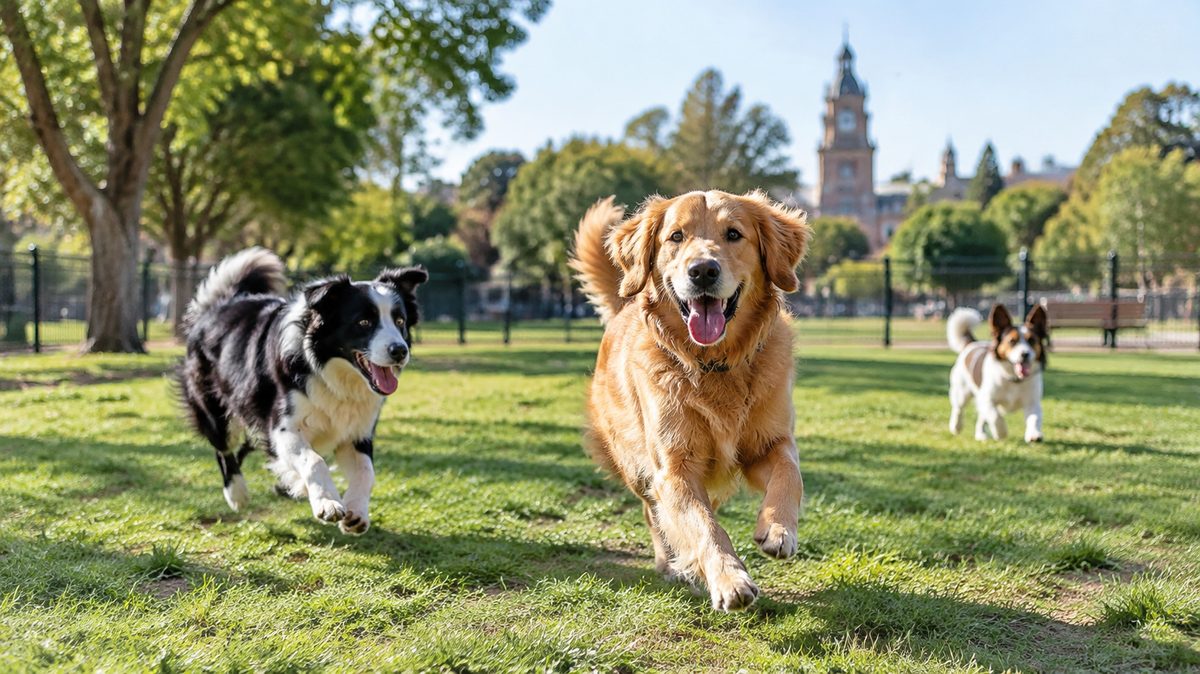
Harcourt Park is one of Bendigo's best-known choices for a dedicated dog outing. Its dog exercise space gives owners a clearer boundary than an unfenced oval or shared reserve. That makes it useful for practising recalls, short bursts of play and calm lead exits after the session.
A fence is a backup, not a reason to stop watching. Walk the edge before releasing your dog. Look for an open gate, damaged wire, standing water, discarded food or another dog showing stiff body language. Keep the lead in your hand instead of leaving it at the gate.
The City of Greater Bendigo also designates other off-leash areas across the municipality. These can include sections of recreation reserves or public open space rather than purpose-built dog parks. The exact boundary may cover only part of a reserve. A nearby playground, path, road or sporting surface may remain an on-leash area.
Use the council's current map to find the closest legal option and match it against the signs on site. This check matters because reserve use can change during organised sport, maintenance or community events. A field that was empty last week may be booked when you arrive.
How should you use an unfenced off-leash area?
Start with one lap on lead. This lets you inspect the exits, see who is using the space and notice distractions before they become a problem. Move away from roads and active sports. Release the dog only when you can see the legal boundary and know the dog will return within it.
Do not release a dog simply because another owner has done so. Their dog may have strong recall while yours is still learning. Use a long training line in a legal on-leash space if you need room to build that skill. Never use a long line inside a busy off-leash group because it can wrap around dogs and people.
Which on-leash routes are easiest for regular walks?
The Bendigo Creek Trail is a useful option for steady Walking because it links several parts of the city and lets you choose the distance. Its shared sections can carry bikes, runners and families, so keep the lead short enough to stop your dog crossing the path. Move to the left, look behind before changing direction and keep extendable leads locked near other users.
Lake Weeroona offers a simple, level outing around a busy public space. It works well for dogs that can pass people and other dogs without lunging. It is less suitable for a dog that becomes overexcited near birds, food, prams or constant foot traffic. Keep dogs away from the water's edge and do not let them stalk or chase waterbirds.
Urban paths beside Bendigo Creek can also support shorter walks. Choose a section with an easy return route rather than pushing until the dog is tired. This helps puppies, senior dogs and flat-faced breeds avoid a long walk back after their energy drops.
These routes serve a different purpose from the city's general walking attractions. The focus here is safe movement with a dog: legal access, enough space to pass, shade, surface temperature and nearby distractions.
Can you take a dog into Bendigo's bushland?
Some council-managed paths and reserves permit dogs on lead, but nearby protected land may ban them. Greater Bendigo National Park is managed for native species and is not a general dog-walking area. Do not treat an unfenced entrance or a wide fire track as permission.
Check who manages the land before starting. Council reserve rules do not carry into national parks or other protected areas. Read every sign at the access point, even if an online walk description calls the route dog-friendly.
Bushland walks add smells, uneven Terrain and natural shade, but they also place dogs close to snakes, kangaroos and nesting birds. Keep the dog on a fixed lead. Do not allow it to enter long grass, logs, drainage lines or dense scrub. These places form Habitat, not an extension of the path.
Wildlife can be harmed without being caught. A dog running at a bird or wallaby can force the animal to leave shelter, waste energy or abandon a feeding area. A lead also protects the dog from bites, grass seeds and contact with dead animals.
How do you avoid trouble around other dogs?
Watch the whole interaction rather than waiting for barking. A loose body, curved approach and frequent pauses usually show that both dogs still have choices. Staring, freezing, pinning, repeated mounting or blocking an exit means the play needs to stop.
Call your dog away before the mood changes. A short break lowers excitement and tests whether the dog can still listen. If it ignores a familiar cue twice, clip the lead on and leave. Staying longer rarely improves an overstimulated dog's choices.
Ask before allowing a greeting on lead. Some dogs need space due to pain, fear or training. A friendly dog can still frighten them by charging into their face. Keep greetings brief and prevent leads from tangling.
Children should not stand inside a group of running dogs or carry food through an off-leash area. If the park becomes crowded, take a lead walk instead. A quiet visit is often more useful than a packed session filled with poor habits.
What should you check before releasing your dog?
Read the entrance signs first. Find the legal boundary, identify gates and note any temporary closure. Then check the people and dogs already inside. Leave if an owner cannot control a dog that is rushing the gate.
Remove food and prized toys when unknown dogs are present. These items can trigger guarding. Carry waste bags and pick up at once, even in rough grass. Dog waste adds germs and excess nutrients to soil and waterways.
Bring drinking water and a collapsible bowl. Shared bowls can carry saliva and dirt, while puddles may contain harmful water or chemicals. Offer small drinks during the outing instead of waiting until the dog is desperate.
Keep identification attached to the collar and make sure microchip details are current. A clear phone number gives someone a quick way to contact you if the dog slips through a gate.
When is it too hot to walk?
Bendigo's summer Heat can make an open reserve unsafe well before a dog looks exhausted. Walk early in the morning or after the ground has cooled. Shade does not guarantee that asphalt, concrete or compacted dirt is safe for paws.
Place the back of your hand on the surface for several seconds. If you cannot hold it there with ease, choose a cooler route or go home. Test more than one surface because dark paving can be far hotter than nearby grass.
Heavy panting, slowing down, seeking shade, excessive drool or poor balance are warning signs. Stop the activity, move the dog to a cool place and offer water. Seek urgent veterinary help if the dog seems confused, collapses, vomits or cannot recover.
Puppies, senior dogs, overweight dogs and short-nosed breeds can struggle sooner. Do not use a ball to push a dog through repeated sprints on a hot day. Drive home with airflow in the car, and never leave the dog inside a parked vehicle.
How can one walk provide better exercise?
Mix calm movement with short training tasks. Ask for a pause at a gate, reward eye contact when a bike passes and practise one recall before the dog becomes distracted. These small tasks build skills that make later outings safer.
Let the dog sniff where access rules permit it. Sniffing gives the dog information and slows the pace. Do not drag the dog through every walk in pursuit of distance. The goal is a settled dog that can still respond to you at the end.
Change the route or direction instead of making every session longer. A new safe section of path provides fresh scent without placing more strain on joints. On rough Terrain, shorten the distance and inspect paws after the walk.
Finish with a few calm minutes on lead, even after off-leash play. This lowers excitement before the car ride or walk home. It also prevents the lead from becoming a signal that all fun has ended.
What do many dog owners get wrong?
The most common mistake is treating off-leash access as a test of friendliness. A dog can love people and still chase a cyclist, crowd a nervous dog or ignore a recall near traffic. Control matters more than enthusiasm.
Another mistake is choosing a route by distance alone. Surface, shade, noise and the number of close passes can make a short route much harder than a longer quiet path. Match the outing to the dog you have that day.
Owners also rely too heavily on old blog posts and word of mouth. A familiar reserve may contain separate zones with different rules. Local signs and the current council map carry more weight than a photo of a dog running there last year.
What should you do before leaving home?
- Check the City of Greater Bendigo map for the current dog access rule.
- Choose an on-leash route or legal off-leash area that fits your dog's recall and social skills.
- Pack a fixed lead, water, a bowl and more waste bags than you expect to use.
- Check the weather and move the outing if the ground will be hot.
- Plan to leave as soon as your dog becomes tired, tense or unable to respond.
Before every Bendigo dog walk, confirm the rule on the council map and at the entrance, then keep the lead on unless the marked area and your dog's recall both make release safe.