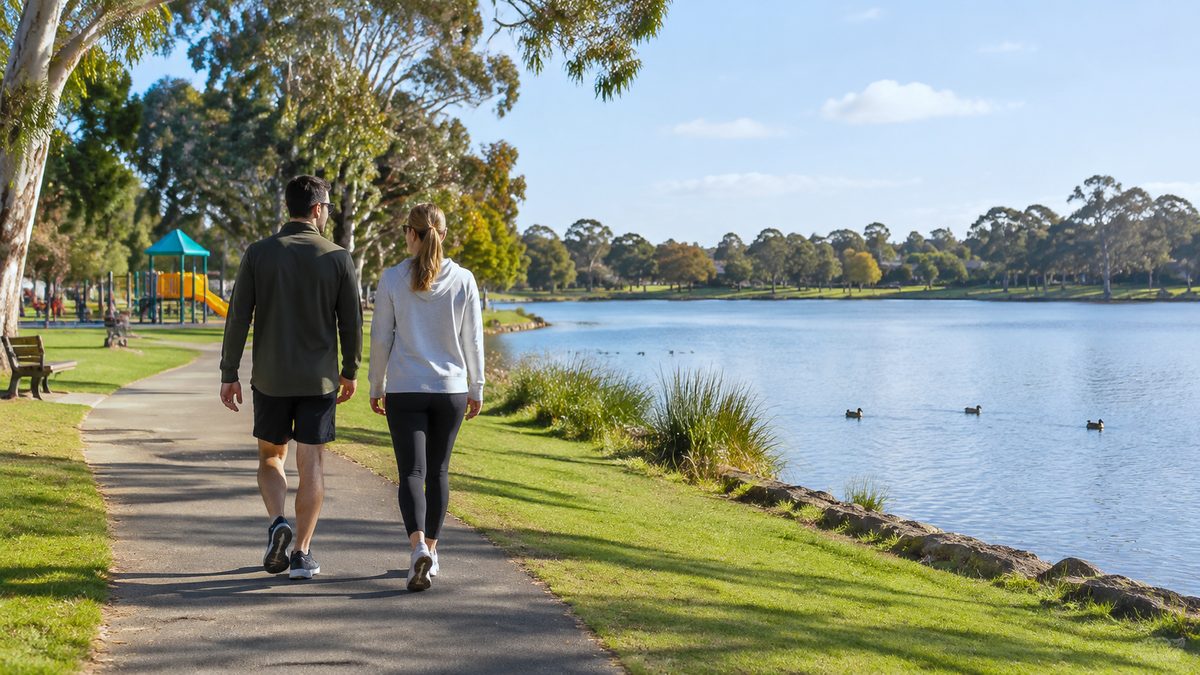
Lake Weeroona Walking Guide: the Circuit, Playground and Picnic Stops
Lake Weeroona offers a short, flat circuit with a playground, lawns and picnic facilities close to the path. It is a good choice when you want an easy walk without leaving Bendigo or planning a full day out. The loop is about 1.4 kilometres, though the distance can vary slightly with your starting point and any side trips.
The lake works well for families, casual walkers and people returning to exercise. You can finish one lap in about 20 minutes at a steady pace. Allow 30 to 45 minutes if children want to stop at the playground, watch birds or explore the edge of the lake. A picnic can turn the same route into a relaxed half-day visit.
Where should you start the circuit?
Start near the main recreation area if you want quick access to the playground and picnic facilities. This makes the visit easier for families because food, spare clothes and play gear can stay close to the car. It also gives children a clear reward before or after the walk.
You do not need a fixed starting line. The path forms a loop, so you can join it from any practical access point around the lake. Choose a spot that suits your next activity. Starting near the play area suits families. Starting on the quieter side can suit walkers who want to complete the circuit before stopping.
Check parking signs when you arrive. Conditions and limits can change during events or works. Keep driveways and access routes clear, even if a space close to the path looks tempting.
A useful family routine is to agree on the order before leaving the car. For example, walk one complete lap, return for a drink, then visit the playground. This prevents the common problem of starting with play and finding that tired children no longer want to walk.
What is the circuit like underfoot?
The main circuit follows a formed shared path around the water. The route is mostly flat and easy to follow because the lake stays in view. There are no hard climbs, remote turns or long sections through bushland.
That simple layout makes distance easy to judge. Once you have crossed to the far side, you know you are roughly halfway around. Benches and open lawn areas also give you places to pause without abandoning the outing.
The path is used by people moving at different speeds. Walkers may share it with runners, children and people using wheeled mobility aids. Keep left where practical. Before stepping across the path to reach a seat or the water's edge, look behind you. Children can change direction fast, so keep them close when the path is busy.
A pram should cope well with the main formed route in normal conditions. People using wheelchairs or mobility aids should still judge the surface after heavy rain and check the access point they plan to use. A flat loop can still contain wet patches, leaf litter or temporary works.
How long does one lap take?
Most adults can cover the circuit in 15 to 25 minutes. A family pace is often closer to 30 minutes. Add time for ducks, photos and playground stops rather than treating those delays as a failed walk.
The lap is short enough to repeat if you want more exercise. Two laps give you about 2.8 kilometres. Repeating the same circuit also lets you stop near your starting point between laps for water or a change of plan.
If you are testing your fitness, use time rather than speed. Walk for ten minutes, check how you feel, then continue or turn the outing into a picnic. Because the path loops around open water, shade can be limited on exposed parts of the circuit.
Which direction should you walk?
Either direction works because the route is circular and mostly level. Choose the direction that gives you a clear path when you arrive. If one side is crowded, begin the other way rather than pushing through a busy group.
Direction matters more when you are managing young children. Starting away from the playground can keep play until the end. Starting toward it gives children an early break, but they may resist leaving once they begin playing.
Wind can also shape the walk. On a breezy day, some people prefer to face the wind early while they feel fresh. The return side may then feel easier. This is a small choice, yet it can help an older walker or a child who tires quickly.
How can families use the playground without losing the whole walk?
Treat the playground as a planned stop rather than the centre of the circuit. Decide whether it comes before, during or after the lap. Tell children the plan in simple terms before they see the equipment.
A practical plan is one lap followed by play. Another is a short play session while one adult sets up the picnic, then a family lap after eating. Avoid a hard run straight after a large meal. Give children time to settle and have water first.
The playground may suit different ages in different ways, so supervise based on the equipment in use rather than a child's usual confidence. Check slide surfaces on hot days. Look over landing areas for water, litter or sharp objects before a toddler rushes in.
Busy play areas create another issue that walking guides often miss. Children can leave the equipment from several sides and reach the shared path quickly. Choose a meeting point that is easy to see, such as a specific table or tree. Use a description your child can understand instead of saying, “Meet near the lake.”
Where should you plan a picnic stop?
Choose a place close enough to the path for easy access but far enough from moving bikes and runners to let children sit safely. The recreation side of the lake is the most practical choice when you want to combine tables, open space and the playground. A quieter patch of lawn can be better for a simple rug picnic.
Look at the ground before unloading everything. Shade moves during the day, and a cool patch in the morning may sit in full sun by lunch. Check for bird droppings, damp soil and low branches. If wind is strong, use containers with lids and keep light wrappers packed away.
Do not count on finding an empty table at peak times. Bring a picnic rug as a backup. A small folding chair can help a person who finds it hard to sit on the ground, provided you can carry it safely from the car.
Pack food that needs little handling. Sandwiches, cut fruit in sealed tubs and simple snacks create less mess than a meal needing several serving dishes. Keep cold food chilled until it is eaten. Take all rubbish with you if bins are full.
Can you use the barbecue facilities?
Public barbecue facilities may be available near the main picnic area, but availability should never be the only part of your meal plan. A barbecue can be occupied, out of service or affected by local restrictions. Check signs at the site before use.
Bring food that can be eaten cold if the barbecue is unavailable. Carry utensils and something safe for cleaning the cooking surface. Never place hot equipment where a child can touch it, and do not leave cooking unattended while watching the playground.
When is the best time to walk?
Early morning gives you cooler air and often a quieter path. Late afternoon can also be pleasant when the heat has eased. The middle of a hot day is the least comfortable option because open sections around the water may offer little shade.
Weekend mornings and mild afternoons can draw more visitors. A busy lake is still usable, but the walk feels different. You may need to slow down near groups, wait for a table or supervise children more closely.
After rain, check the path before committing to the full circuit. Formed paths can collect water or leaf debris. Grass beside the route may stay wet after the paved or firm surface has dried.
Sun glare can be strong near open water. Wear a hat and use sun protection even when the air feels cool. In colder weather, wind across the lake can make the temperature feel lower than it did near the car.
What should you bring for a simple visit?
You need less gear than you would for a bushwalk, but a few items prevent small problems from ending the outing early.
- Bring drinking water for each person.
- Carry sun protection and a light layer for changing weather.
- Pack wipes or hand sanitiser for food and playground use.
- Take a picnic rug if tables may be busy.
- Bring a small rubbish bag in case nearby bins are full.
- Pack any medicine or mobility aid you normally need on a short walk.
Closed shoes are the safest choice for the circuit and playground. Sandals may work for a picnic, but they offer less grip and less protection from sticks or sharp litter.
If you bring a scooter or small bike for a child, set rules before joining the path. The circuit is shared space, not a closed riding track. Children should slow near walkers and stop at any crossing or busy pinch point.
What should you know about birds and the water?
The lake attracts waterbirds, which can become the most memorable part of the walk for children. Watch from a respectful distance and keep food packed away while near them. Feeding birds can harm their health, change their behaviour and draw them into conflict with people.
Do not let children chase birds or approach nests. A bird that seems calm may react when a person moves too close. Give any bird blocking the path room to leave.
The water also needs clear family rules. Young children should remain within reach near the edge. A shallow-looking bank can be slippery, and a dropped toy is never worth a child trying to retrieve it alone.
Dogs should remain under effective control and follow the rules shown on local signs. Keep them away from birds, picnic food and people who may feel uneasy around animals. Bring waste bags and remove droppings at once.
How can you make the walk work for different fitness levels?
Use the loop's size to give people choices without splitting the outing. A keen walker can complete a second lap while another person rests near the picnic area. A parent can stay with a child at the playground while the other adult walks, then swap.
For someone returning to exercise, the goal should be a comfortable finish. Start at a pace that allows normal conversation. Pause on a bench before fatigue changes balance or walking form. One easy lap builds more confidence than a rushed lap that causes pain.
A common mistake is judging the route only by its short distance. Heat, wind and time spent standing at the playground can tire people before the lap begins. Count the whole visit as activity, especially for young children or older relatives.
If a person has pain, dizziness or unusual shortness of breath, stop and seek suitable help. The flat path makes the walk accessible for many people, but it does not replace advice from their health professional.
How do you turn the circuit into a calm family outing?
Keep the plan simple and make each stop serve a purpose. Walk while everyone has energy. Use the playground as the active break. Eat where you can supervise children without sitting beside the busiest part of the path.
Imagine arriving with a preschooler who runs toward the equipment while an older child wants to start walking. A clear order fixes the clash: one family lap, a drink, then playground time. Each child knows what comes next, and the adults avoid carrying picnic gear around the full circuit.
Another useful approach is to set a small observation task. Ask children to count different kinds of birds or notice how the view changes across the lake. This gives the walk a purpose without turning it into a lesson. Do not promise that a certain bird or animal will appear.
Leave before everyone is exhausted. A short outing that ends well is easier to repeat. The lake's main strength is that you can adjust the visit while staying close to your starting point.
What should you check before leaving home?
- Check the weather, including heat, rain and wind.
- Decide whether the walk or playground comes first.
- Pack water, sun protection and a backup picnic rug.
- Check current council notices if works, events or fire restrictions may affect facilities.
- Choose a clear meeting point for children and adults.
Plan one circuit first, then add the playground or picnic only if everyone still has the time and energy to enjoy it.