Things to Do in Bendigo: a Guide to Attractions and Local Experiences
The best way to explore Bendigo is to pair its major attractions with slow, local experiences around the city centre. Go underground at a mine, see major art, walk beside the lake, then leave space for cafés, shops and streets that catch your eye. Bendigo rewards people who explore at a calm pace. Most central sights are close enough to combine without spending the day in a car.
A first visit works well over two days. Use the first day for central Bendigo and its gold-era sites. Spend the second on gardens, pottery and the Great Stupa. If you have only one day, choose one major indoor attraction and one outdoor area. Trying to enter every museum will leave you with less sense of the city.
Which attractions deserve a place at the top of your plan?
Start with Bendigo Art Gallery if you enjoy art, fashion or social history. It has built a strong name through major touring shows as well as works from its own collection. The building sits near Rosalind Park, so a gallery visit fits easily into a walk through central Bendigo.
Allow more time than you think you need. A rushed visitor may look at each room and leave within an hour. A better approach is to choose several works and read the labels closely. This turns an Art gallery visit into a clear story rather than a blur of frames. Check exhibition dates before travelling because special displays can affect tickets and access.
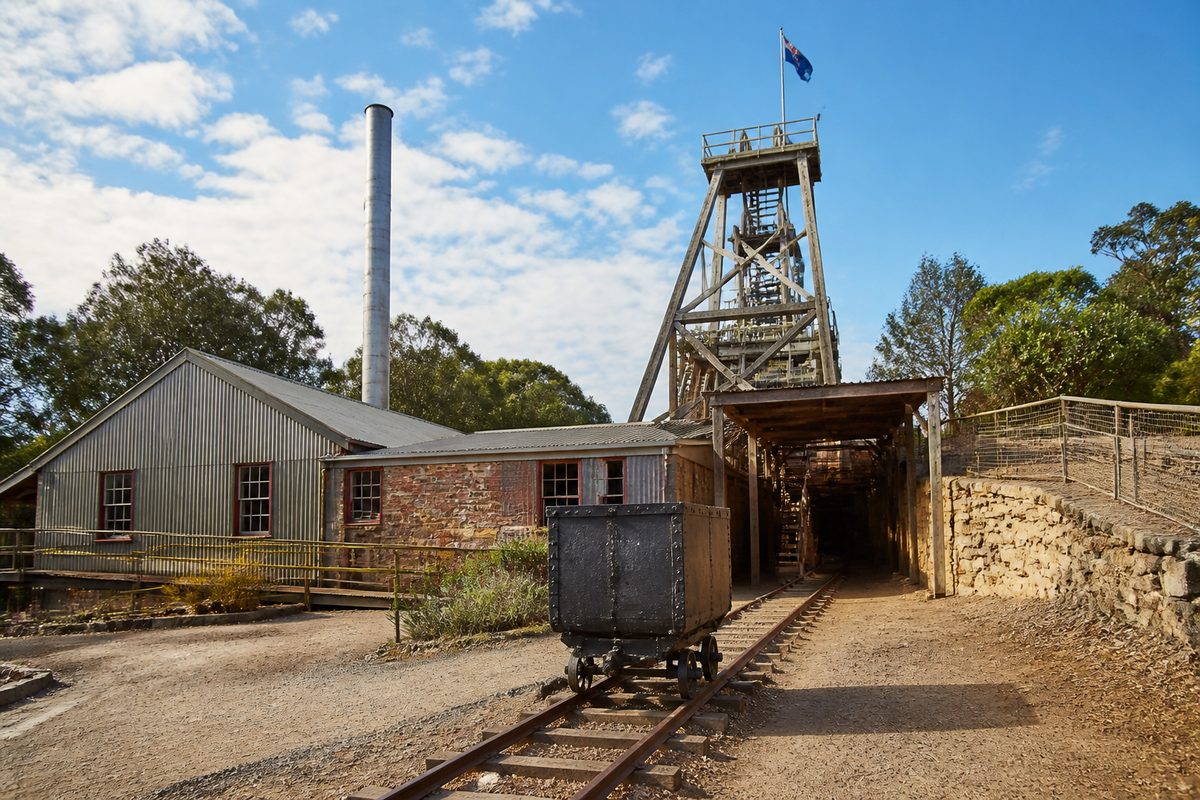
Choose Central Deborah Gold Mine when you want a physical sense of Bendigo's mining past. Surface displays explain the work, tools and risks. Underground tours show how tight, dark and demanding a mine could be. Book ahead if going below ground is a main reason for your trip, since tour places can fill.
The mine experience is most useful when you connect it to what you see above ground. Wealth from the Victorian gold rush helped fund large public buildings, hotels and homes. The mine gives those grand streets a human scale. It reminds you that the city's stone façades grew from hard labour below the earth.
Visitors often expect the mine to feel like a theme ride. What they find is more direct. The low light, rock walls and working equipment make the story easier to grasp. Wear closed shoes and take a warm layer, even if the day outside feels hot.
How can you see the city without moving the car all day?
The Vintage Talking Tram offers a simple way to understand Bendigo's layout. It links several visitor areas while recorded stories add context along the route. Use it early in your stay if you want to see where key sites sit before deciding where to spend more time.
Do not treat the tram as your only view of Bendigo. Streets reveal more at walking speed. Get off near a place that interests you, walk for a while, then continue later if your ticket permits. Confirm the current route, stops and service times before setting out.
A useful central walk begins near the gallery and Rosalind Park. Continue toward the main shopping streets, where old façades stand beside working cafés and stores. Look above the shop signs. Upper floors often keep decorative details that are easy to miss from a vehicle.
Keep the route loose. When I plan this kind of city day, I leave a free hour between booked visits. That hour often becomes the part people remember because it gives them time to enter a small shop, sit over lunch or inspect a building without watching the clock.
Where can you experience Bendigo's Chinese heritage?
The Golden Dragon Museum is the clearest starting point. Its collection explains the role of Chinese migrants and their descendants in Bendigo. Displays cover community life, belief, celebration and the famous dragons linked with local processions.
Give the objects time. Ceremonial items can lose their meaning when treated as quick photo stops. Read how they were used and who cared for them. The visit then becomes a record of living community ties rather than a side note to the Gold rush.
The surrounding precinct adds value because you can move from indoor displays into a garden setting. Quiet details, paths and structures help change the pace after a busy museum room. Respect any sacred spaces and follow signs about photography.
This is also where many short Bendigo itineraries fall short. They focus on miners and wealthy buildings, then skip the families and community groups that helped shape local trade and public life. The museum corrects that narrow view without pulling you away from the main purpose of the trip.
What outdoor places are worth slowing down for?
Lake Weeroona suits an easy walk, a picnic or a break between indoor attractions. The path around the water is manageable for many visitors, and the open setting gives children room to move. Early morning is a good choice if you prefer cooler air and fewer people.
Use the lake as a pause, not a task to complete. Sit where you can watch local walkers and birdlife. A short stop may be enough on a packed day, while families may want a longer visit near the play areas. Conditions can change, so check local signs before approaching the water or feeding wildlife.
Bendigo Botanic Gardens provides a different outdoor experience. The gardens suit visitors who enjoy old trees, planted beds and gentle paths. They are away from the busiest part of the centre, which makes them a useful stop when travelling toward northern attractions.
People often race through gardens because there is no set route. Pick one section and look closely instead. Notice shade, leaf form and how older plantings frame newer spaces. In my experience, this simple rule makes a garden visit feel specific rather than like spare time between ticketed sights.
Why should the Great Stupa be more than a quick photo stop?
The Great Stupa of Universal Compassion sits outside central Bendigo and deserves its own block of time. Its scale is striking, but the visit makes more sense when you learn what the building represents. Exhibits and signs introduce Buddhist teaching, sacred objects and the purpose of the site.
Pay close attention to the Buddhist architecture. Form, colour and placement carry meaning. Walking slowly around the structure gives you time to see repeated symbols and changes in detail. Follow visitor guidance, speak softly in worship areas and dress with respect.
The site works best for curious visitors willing to read and observe. Someone who arrives only for a photograph may leave in minutes. Someone who spends time with the displays gains a clearer view of how a sacred building functions within an active community.
Allow for the drive from the city and check opening details before leaving. Special events may change access or create a busier visit. Pairing the Stupa with the Botanic Gardens can make good use of a half-day north of central Bendigo.
Is Bendigo Pottery worth the trip from the centre?
Bendigo Pottery is a strong choice for people interested in craft, design and useful objects. The site connects clay work with local industry and gives visitors a closer look at how pottery moves from raw material to finished piece.
Hands-on activities may be available, but sessions and conditions can change. Check before you go if making something is central to your plan. Families should also confirm age limits and clothing advice. Clay work can be messy, which is part of the fun when you arrive prepared.
The retail area deserves a careful look because locally made objects can serve as practical souvenirs. Inspect shape, glaze and function rather than buying the first item near the entrance. A mug or bowl used at home can hold a stronger memory than a generic gift.
This stop also adds another layer to Bendigo's industrial story. Mining dominates many visitor plans, yet making, firing and trading pottery reveal a different kind of skill. The two stories help explain how local work changed as Bendigo grew.
How should food and local shopping fit into the day?
Plan meals around where you will already be. Returning across town for a saved restaurant can waste the best part of an afternoon. Central Bendigo has cafés, pubs and restaurants within reach of the gallery, park and major streets. Outer attractions may have fewer nearby choices, so check before driving out.
Book dinner on busy weekends or during major exhibitions. For lunch, leaving some freedom is often useful. You can choose a place based on the day's pace and weather. Ask staff what is made locally if that matters to you, rather than assuming every regional label means local production.
Browse independent stores with a clear idea of what you value. Look for pottery, food products, books or work by regional makers. Read labels and ask where an item was produced. This small question separates a local purchase from a standard souvenir.
A lived-in city is part of the attraction. Time spent over coffee or in a bookshop is not lost time. It shows how people use Bendigo now, beyond the formal visitor sites.
How do you build a one-day Bendigo itinerary?
Begin in the centre before the streets become busy. Visit Bendigo Art Gallery when it opens, then walk through Rosalind Park and nearby streets. Have lunch close to the centre. Spend the afternoon at Central Deborah Gold Mine or the Golden Dragon Museum, choosing the one that best matches your interests.
Add the Vintage Talking Tram if its schedule works with your booked entry times. Finish at Lake Weeroona for a gentle walk, or stay central for an early dinner. This plan gives you one deep museum visit, a clear city walk and an outdoor finish without constant travel.
If you dislike tight schedules, remove one paid attraction. That choice often improves the day. One visitor may remember an underground tour. Another may care more about a special gallery show. Build around your main reason for coming, then use nearby sights to support it.
What works best over a full weekend?
Use the first day for the city centre, the art gallery and the mine. On the second morning, visit the Great Stupa of Universal Compassion, then stop at Bendigo Botanic Gardens. Spend the afternoon at Bendigo Pottery or return to the centre for shopping and a slower meal.
A weekend also gives you room to notice Bendigo's Cultural landscape. This means reading the city as a place shaped by work, migration, belief and public life. A mine tunnel, a Chinese ceremonial object and a handmade pot each tell part of that story. You do not need a lecture to see the links. You need enough time to look.
Keep one flexible period in case an exhibition, market or public event catches your interest. Check official venue pages close to your visit because opening hours, tour access and event dates change. Avoid packing both days from morning to night. Bendigo's scale makes slow travel easy, so use that advantage.
What practical choices make the visit easier?
- Book fixed experiences first. Reserve mine tours, ticketed exhibitions and workshops before arranging casual stops.
- Group places by area. Keep central attractions together, then give northern sites their own half-day.
- Prepare for weather. Carry water and sun protection for outdoor walks. Bring a warm layer for underground areas and cool interiors.
- Check access needs directly. Ask each venue about steps, lifts, seating, toilets and mobility access before arrival.
- Leave driving time. Bendigo is easy to move around, but parking, road works and events can affect a tight plan.
- Protect free time. A spare hour gives you room for local food, shopping or an unexpected stop.
Parents should match attractions to each child's patience rather than age alone. A mine can excite one child and scare another. A gallery works better when children have a small task, such as choosing a favourite work and explaining why. Older visitors may prefer shorter walks with seated breaks. The best plan fits the people taking the trip.
Choose your one must-see Bendigo attraction now, book it, and build the rest of the day within the same part of the city.