What Is Bendigo Known for? Gold, Heritage and Modern City Life
Bendigo is known for its rich gold history, grand Victorian buildings, Chinese heritage and lively modern culture. The city grew during the Victorian gold rush, when people arrived from across the world hoping to make a fortune. That wealth shaped its streets, public buildings and Cultural identity. Today, visitors can tour an underground mine, see major art shows, walk past ornate landmarks and enjoy a city centre that still feels active after the museums close.
The key to understanding Bendigo is that its history remains visible and useful. Old banks have new tenants. Former industrial areas host businesses and public spaces. Mining sites explain how people worked below ground, while museums show how migration changed life above it. This mix gives Bendigo more depth than a town that has simply kept a few old buildings.
How did gold turn Bendigo into a major city?
The Gold rush changed Bendigo with remarkable speed. Gold was discovered in the Bendigo Creek area in 1851. News spread, and thousands of miners reached the diggings within a few years. They came from other Australian colonies and from countries such as England, Ireland, Germany and China.
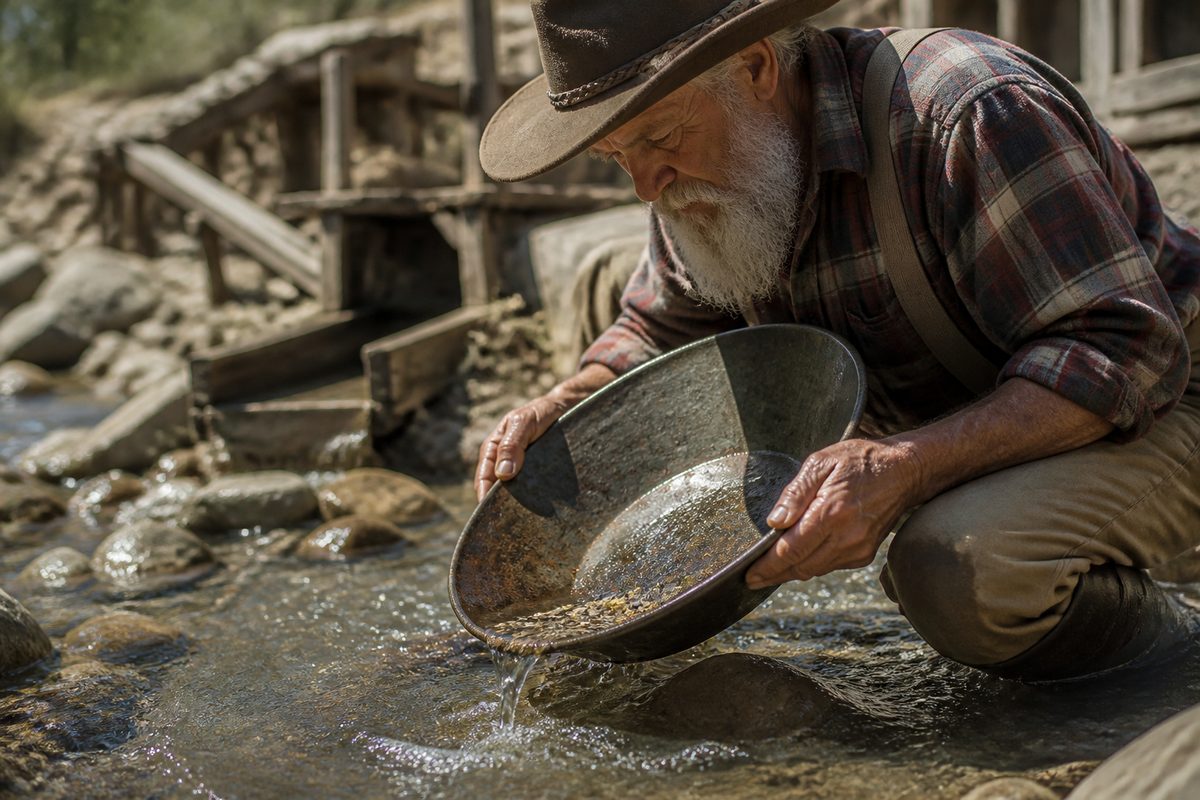
Early miners searched shallow ground with simple pans and cradles. As the easy finds ran out, Gold mining moved deeper underground. Companies sank shafts, built crushing plants and hired large workforces. Bendigo became one of the richest deep-reef goldfields in Australia.
Mining wealth paid for roads, hotels, banks and public buildings. It also supported theatres and social clubs. That is why central Bendigo looks grand for a regional city. Its scale came from a period when local businesses handled large amounts of money and expected the settlement to keep growing.
Gold also created hard living conditions. Work underground was hot, wet and dangerous. Dust harmed miners' lungs. Families faced uncertain income because a promising reef could fail without warning. The polished buildings above ground can hide that human cost.
When I have walked through old mining areas, the most useful detail has been the distance between the grand city centre and the shafts where the wealth began. It makes the story easy to grasp. The ornate streets were built with money earned through demanding work below the surface.
Where can you experience Bendigo's mining story?
Central Deborah Gold Mine offers the clearest way to understand the city's mining past. The site began operating in the 1930s, long after the first rush, but it preserves equipment, buildings and underground workings linked to Bendigo's wider mining story.
Underground tours show how narrow and enclosed mine work could feel. Visitors wear safety gear and descend below the city with a guide. The rock walls, low light and machinery make Gold mining more real than a display case can. People who expect a wide cave often find a working mine much tighter and rougher.
One visitor told me the strongest moment was turning off the lamps for a few seconds. In total darkness, the mine stopped feeling like a tourist site. It became easier to picture a worker depending on one small light while using heavy tools deep below ground.
The surface area also matters. Original structures help explain how ore moved from underground to processing areas. Guides can connect each machine with a job, which turns a complex industrial process into a clear sequence. You see where miners entered, how rock came up and why deeper mining needed more money and skill.
Bendigo's gold story can also be read in the shape of the land. Mullock heaps, old shaft sites and mine remnants appear around the district. Some are easy to miss because trees and later development have softened their edges. Once you know what to look for, the city feels built over a vast industrial network.
Why does Bendigo have such grand architecture?
Bendigo's major buildings were designed to express confidence. Successful mine owners, banks and civic leaders wanted the city to look prosperous. They commissioned detailed facades, towers, columns and decorative interiors. Many structures still stand because they remained useful after mining slowed.
Pall Mall (Bendigo) is the best place to see this effect in one view. The street passes several of the city's best-known buildings and public features. Walking it reveals how closely commerce, government and culture were linked during Bendigo's wealthy years.
Alexandra Fountain forms a strong focal point near the centre. It was completed in the 1880s and reflects the care given to civic spaces during that period. Its detailed stonework suits the surrounding architecture and marks a busy meeting point rather than sitting apart as a museum object.
The former post office nearby adds to the sense of scale. So do historic bank buildings and ornate commercial properties. Look above the shop signs when walking through the centre. Upper floors often keep decorative details that are easy to miss from a car.
The city's heritage works because it exists within daily life. People meet near old landmarks, run businesses in historic buildings and travel along streets laid out during the mining era. The centre does not feel sealed behind a gate. Its past remains part of ordinary movement through the city.
How did Chinese communities shape Bendigo?
Chinese miners formed a major part of Bendigo's Gold rush population. Many arrived from southern China and built communities near the diggings. They faced unfair laws, extra taxes and open racism, yet they established businesses, places of worship and mutual support networks.
The Golden Dragon Museum tells this story through objects, records and ceremonial displays. Its collection connects mining history with religion, trade and community life. This broader view matters because Chinese residents did far more than work on the goldfields.
The museum is known for its imperial dragons. Bendigo's dragon tradition grew through community processions and fundraising events. Historic dragons became local cultural treasures, while newer dragons continue to appear at major celebrations. Their size and detailed construction show how much planning and teamwork a procession requires.
Close to the museum, the Yi Yuan Gardens provide a quieter space shaped by Chinese design. The nearby Joss House Temple offers another direct link with the nineteenth-century community. Together, these places help explain how Chinese customs survived despite pressure to disappear.
This history changed Bendigo's Cultural identity. Chinese heritage is not a side note attached to the mining story. It shaped local festivals, community ties and the way Bendigo presents its past. A visit focused only on European buildings misses a large part of what made the city.
Why is Bendigo respected for art?
Bendigo Art Gallery has helped the city build a national reputation for exhibitions. Founded in the nineteenth century, it holds Australian and European works while also presenting large touring shows. These exhibitions often draw visitors who might otherwise travel to a capital city for a similar experience.
The value of the Art gallery comes from its range. Historic paintings help visitors see how artists viewed land, work and social life in earlier periods. Fashion exhibitions can reveal changes in craft and status. Contemporary art introduces current ideas through photography, installation, sculpture and other forms.
Large exhibitions have also changed how some visitors plan a Bendigo trip. They book a gallery session first, then add a mine tour, a meal and a walk through the centre. That pattern joins the modern economy to the city's older attractions.
In my experience, the gallery makes most sense after seeing the surrounding streets. The formal rooms and historic works feel connected to the wealth that built Bendigo. Newer exhibitions then prevent the city from feeling fixed in the nineteenth century.
Art also appears outside the main institution. Studios, smaller exhibition spaces and public works support local makers. This creative activity gives residents reasons to return, which is a better sign of cultural health than relying on occasional visitors.
What does modern city life in Bendigo feel like?
Modern Bendigo works as a regional centre for shopping, health care, education and dining. Residents from surrounding towns use its services, while visitors benefit from the same range. This gives the centre a daily rhythm that continues beyond holiday periods.
Cafes and restaurants occupy both newer spaces and adapted heritage buildings. Local menus often draw on produce from central Victoria. Wine from the Bendigo region also appears across the city, offering a direct link with nearby growers.
The city's size makes it practical to explore. Many central sights sit within walking distance, while trams and short drives connect places farther out. You can move from an underground mine to a major exhibition without spending much of the day in traffic.
Rosalind Park gives the centre open space and shade. Its paths climb through mature trees near several key buildings. The park helps visitors understand the city layout because views from higher points reveal towers, roofs and streets formed during different stages of growth.
Markets, live performances and sporting events add variety throughout the year. These activities serve local people first, which keeps Bendigo from feeling like a heritage set created for tourists. A good visit catches both sides: preserved history and the routines of a working regional city.
What do people often misunderstand about Bendigo?
The first mistake is treating Bendigo as a single-era gold town. Mining explains its rapid growth, but migration, art and later industries changed what followed. The city kept adapting after the richest mines declined.
Another mistake is viewing Chinese history as separate from Bendigo history. Chinese miners and merchants lived within the same gold economy and helped build local institutions. Their customs became part of public celebrations that still shape the city's image.
Visitors can also focus so closely on ornate buildings that they miss why those buildings exist. Architecture is evidence of money, ambition and sharp social divides. A bank facade tells one part of the story. A mine tunnel or workers' cottage tells another.
The final mistake is rushing between attractions. Bendigo rewards observation. Small details, such as shopfront decoration, old mine landforms and reused civic buildings, explain how the city changed without wiping away its earlier layers.
How can you see Bendigo's full character in one visit?
Start with the mine because it explains where the wealth came from. Follow it with a walk through Pall Mall so the link between underground labour and grand construction stays clear. Spend time at the Golden Dragon Museum to understand the people whose role was often left out of older accounts.
Then visit Bendigo Art Gallery for the city's cultural life beyond mining. Leave time to walk through Rosalind Park and eat in the centre. This order builds a clear story while still giving you space to enjoy Bendigo as it is now.
Do not judge the city from one landmark. Its appeal comes from the links between places. The mine explains the banks. Migration explains the dragon tradition. Historic wealth helped create cultural institutions that now support major exhibitions and Contemporary art.
Plan your Bendigo visit around one mine experience, one heritage walk and one cultural stop, then leave the final hours free to enjoy the modern city at street level.