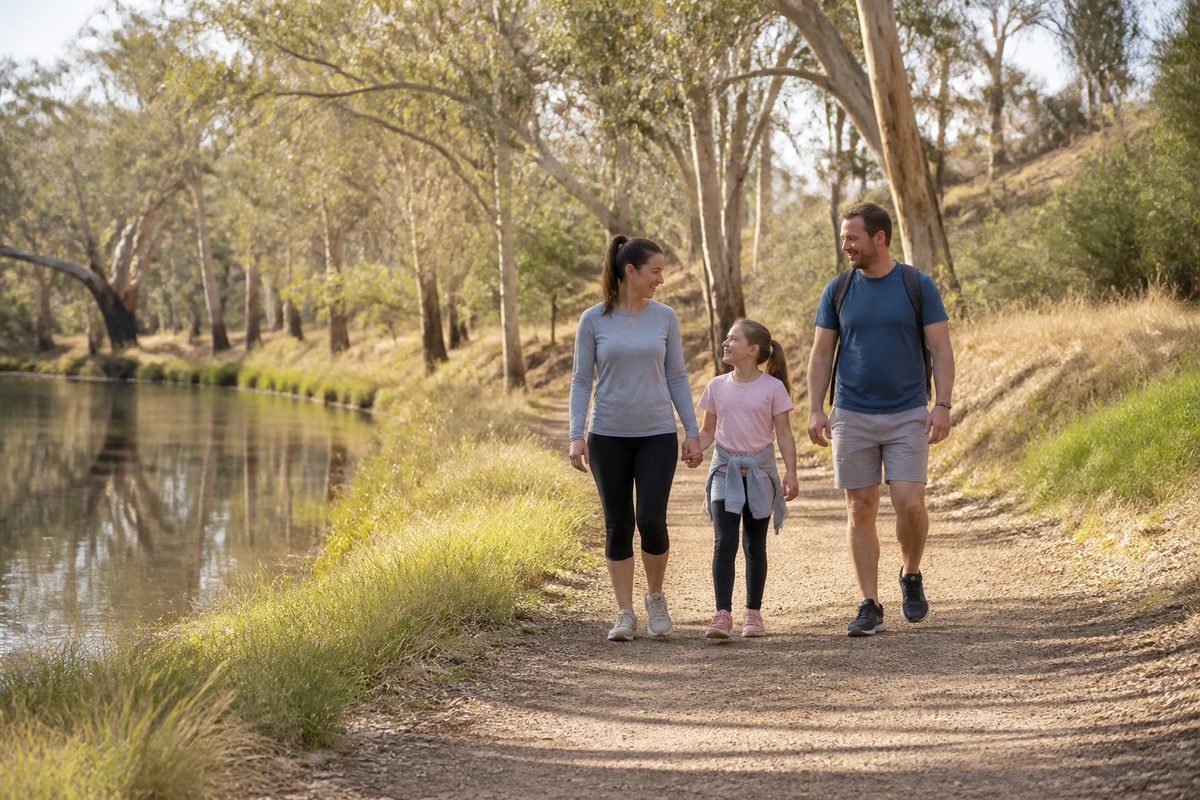
Walking Tracks in Bendigo: Routes for Beginners, Families and Longer Walks
The best walking tracks in Bendigo range from easy lake circuits to long bush routes through dry forest and old goldfields. Beginners can start at Lake Weeroona or Kennington Reservoir. Families can choose Crusoe Reservoir for more space and flexible distances. Experienced walkers can head into Greater Bendigo National Park or follow part of the Goldfields Track.
The right route depends on more than distance. Surface, shade, toilets, road crossings and clear Navigation can change how hard a walk feels. A flat four-kilometre path beside water may suit a family better than a shorter track with loose stone and steep rises.
This guide compares the main types of walk so you can choose a route that matches your group, available time and comfort on bush tracks.
Where should a beginner take their first Bendigo walk?
Start beside a lake or Reservoir where the route is easy to follow and you can turn back without getting lost. Lake Weeroona is the simplest choice close to central Bendigo. Its circuit follows the water on a formed path with open views and regular activity around the lake.
The loop is short enough for a first walk, a gentle recovery day or a stroll with someone who does not walk often. The Terrain is mostly flat, so pace becomes the main factor. Allow extra time if you plan to stop near the playground, watch birds or use the nearby facilities.
Lake Weeroona can become busy at popular times. Walk early if you want a calmer lap. Cyclists, runners and dogs may share parts of the route, so keep to one side and supervise young children near the path and water.
Kennington Reservoir is another useful starting point. The setting feels quieter and more natural, yet the main paths remain close to surrounding streets. It works well for walkers who want an easy outing without the steady flow of people found at Bendigo's best-known central lake.
A beginner should finish feeling that another lap was possible. That is a better first result than choosing a hard route, tiring early and dreading the next walk.
Which route works best when walking with children?
Choose a place where distance can change during the walk. Children may cover several kilometres with ease one day and lose interest after twenty minutes the next. A lake circuit or a network of short paths gives adults a safe way to adjust.
Crusoe Reservoir is well suited to this approach. Families can use the recreation area as a base, complete a short section near the water or link more paths when everyone still has energy. The mix of bush, open space and water gives children something new to notice as they move.
Do not measure a family walk by kilometres alone. A child who stops to inspect bark, birds and old mine traces is still having a good walk. Plan around the slowest person and set a clear turnaround time before leaving the car park.
For younger children, look for these features:
- A formed Trail with few steep or loose sections.
- A route that returns to the same parking area without road crossings.
- Shade or a shorter option on hot days.
- Toilets that are open when you plan to visit.
- A safe place to stop for water and food.
Water adds interest but also risk. Stay close to small children near the edge of any Reservoir. After rain, timber structures, rocks and clay sections may become slippery even when the rest of the route feels easy.
How do the main easy routes compare?
Lake Weeroona suits people who value a clear circuit, a firm surface and nearby services. It is a practical pick for prams, social walks and anyone testing new shoes or returning after time away from exercise.
Kennington Reservoir offers a quieter local loop with more of a suburban nature feel. It is a good step between a city path and a bush walk. Some connecting paths can make the outing longer, but first-time visitors should stay on the obvious circuit until they understand the layout.
Crusoe Reservoir suits groups that want room to extend the day. Its path network rewards walkers who check a map before arriving. Conditions can feel more exposed than they do around a small urban lake, so carry water even when the planned route looks short.
The best choice is simple. Pick Lake Weeroona for ease, Kennington Reservoir for a calm short walk, or Crusoe Reservoir when your group wants flexible distance and a stronger bush setting.
Where can you take the next step into bushwalking?
Greater Bendigo National Park provides the clearest move from formed lake paths to bush walking. Tracks pass through box-ironbark forest, mining country and dry ridges. The surroundings can feel remote even when the edge of Bendigo is nearby.
This is where route choice needs more care. Many tracks cross old vehicle roads or meet paths that look similar. Mobile reception and map apps should support Navigation, not replace preparation. Save an offline map, note the name of your starting point and check each junction before moving on.
Some online descriptions use Bendigo National Park as a shorter name. Check that the map or route information refers to Greater Bendigo National Park, since similar names can lead visitors to the wrong access point. Bendigo also has other protected bushland and regional park areas, so the exact trailhead matters.
Begin with an out-and-back walk on a known track. Turn around after a set time, even if the path continues. This removes pressure to complete a loop and makes it easier to judge how loose ground, heat and small climbs affect your pace.
Dry forest can be deceptive. A mild rise repeated for an hour creates more fatigue than one short hill. Loose gravel also slows the return. If a lake walk took one hour, do not assume the same distance in the park will take the same time.
Which Bendigo route suits a longer day on foot?
The Goldfields Track is the main option for walkers who want distance and a sense of travelling through the region. It is a long-distance route, so most visitors should select a section rather than attempt a large part without transport planning.
Choose a section with confirmed access at both ends. An out-and-back route is easier to manage when you have one car. A point-to-point walk needs a second vehicle, a booked pickup or a reliable public transport link. Do not reach the finish and then discover that the return crosses private land or follows a fast road.
A longer walk through Bendigo's goldfields can include narrow Trail, wider management tracks and rough sections shaped by mining activity. Old shafts and disturbed ground are part of the area. Stay on marked routes and keep children close. Never enter mine openings or climb over barriers.
Distance should match daylight. Work out when you must turn around, then add spare time for wrong turns and rest stops. In my experience with route planning, people often count walking time but forget the minutes spent checking junctions, eating and taking photos. Those short stops can add an hour to a full day.
For a first longer outing, aim for a route that leaves you with energy at the finish. Increase distance on the next walk instead of relying on willpower when feet, heat or low light start causing problems.
What makes Bendigo’s walking conditions different?
Bendigo's bush routes often have dry, hard ground with loose quartz, gravel and leaf litter. The Terrain can look gentle while giving ankles more work than a smooth urban path. Shoes with a firm sole and useful grip are a better choice than flat casual shoes.
Shade can also be patchy. Open forest lets in more sun than many walkers expect. On warm days, begin early and choose a short route near water or streets. A long exposed walk in the middle of the day can become unpleasant before the distance becomes impressive.
Rain creates a different problem. Clay may cling to shoes, low sections can hold water and fallen branches may block smaller tracks. Check current park notices after storms or planned burns. Fire restrictions and closures can affect access even when the weather in central Bendigo appears calm.
Snakes live in the region and may be active in warm weather. Stay on the path, watch where you place your feet and give any snake space to move away. Carry a compression bandage on bush walks and know how to use it.
How can you avoid getting lost on similar-looking tracks?
Good Navigation starts before the walk. Confirm the correct entrance, parking area and route name. A pin dropped on a general park label may lead to the wrong side of a large reserve.
Take a screenshot or download a map because reception can fail. At each junction, compare the direction of travel with the map. If the track bends away from the expected route, stop early. Walking another kilometre in hope usually makes the return harder.
Use visible features to track progress. A road crossing, water edge or signed intersection gives stronger proof than an estimated distance. Tell someone where you are walking and when you expect to finish if the route enters bushland.
When I plan an unfamiliar loop, I also mark the point where I would switch to an out-and-back walk. This creates a simple backup if signs are missing or the route takes longer than expected.
What should you carry for each type of walk?
For a short urban circuit, take water, sun protection and any medicine you may need. Carry more water than you expect to drink during hot weather. Drinking fountains should be treated as a useful extra, not the whole plan.
For family walks, add snacks, basic first aid and a spare layer for each child. A small distraction can also help during the return. Give children a simple search task, such as spotting trail signs or finding a certain leaf shape, instead of promising that the car is close when it is not.
For Greater Bendigo National Park or the Goldfields Track, carry an offline map, a charged phone, a compression bandage and enough food to cover a delay. A battery pack is useful on a long day. Clothing should protect against sun and scrub.
Keep the load small enough to carry with ease. Safety gear helps only when it is in your pack rather than left in the car.
How should you choose your route today?
Match the walk to the least experienced person. Then check heat, daylight and recent conditions. A route that feels easy in cool weather may be the wrong choice on a hot afternoon.
- Choose Lake Weeroona or Kennington Reservoir for a first short circuit.
- Use Crusoe Reservoir when a family needs flexible distance and room to pause.
- Try a marked out-and-back Trail in Greater Bendigo National Park before planning a full bush loop.
- Select one well-mapped section of the Goldfields Track for a longer walk.
- Save the route offline and set a firm turnaround time before leaving.
Choose one route that fits the least experienced walker, download its map and set your turnaround time before you start.