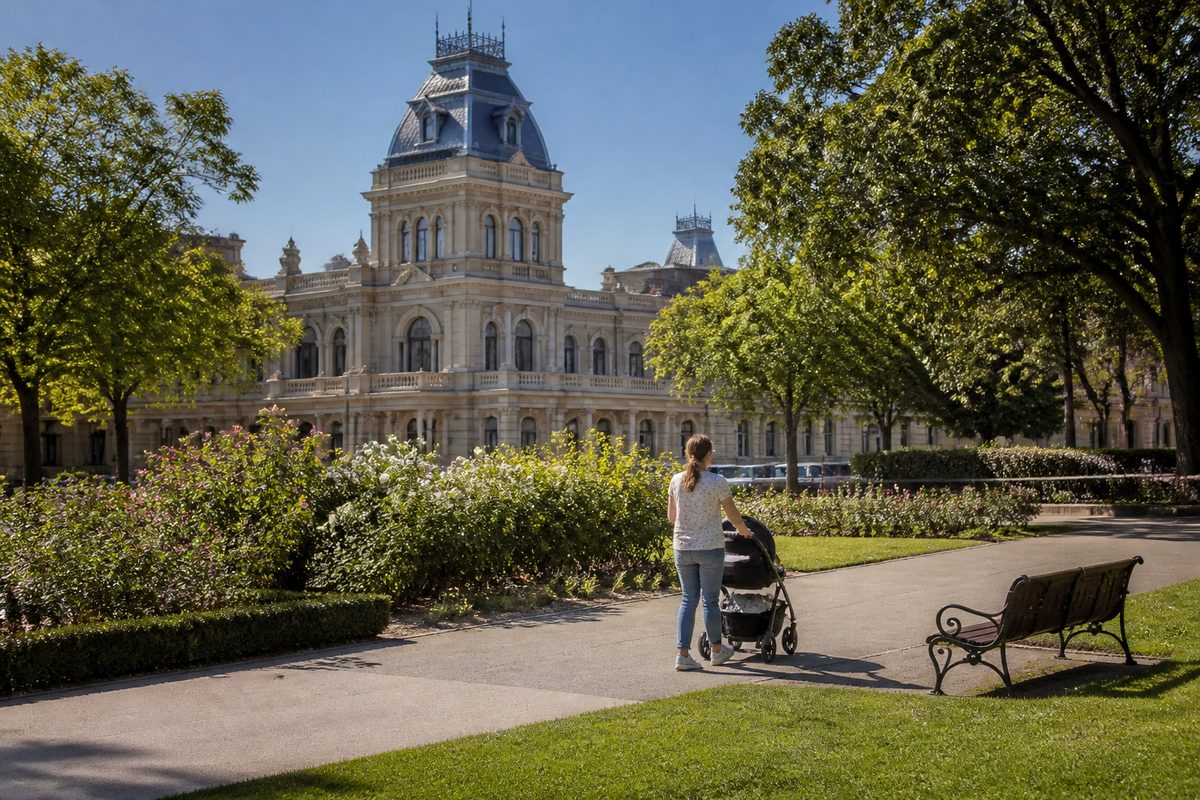
Free Things to Do in Bendigo: Parks, Walks and Cultural Stops
The best free things to do in Bendigo are walking through Rosalind Park, following Bendigo Creek, circling Lake Weeroona and visiting the free areas of Bendigo Art Gallery. These places reveal the city at street level. You can see grand buildings, shaded gardens, public Art and traces of the Gold rush without paying an entry fee.
The centre is compact enough to explore on foot. That makes a free day easy to plan. Start near Rosalind Park, move through the civic streets, then follow the creek or continue toward the lake. The route works because each stop adds a different part of the Bendigo story without turning the day into a rushed checklist.
Where should you begin a free day in central Bendigo?
Begin at Rosalind Park. It sits beside the city centre and gives you quick access to gardens, heritage streets and cultural buildings. The park also helps you understand Bendigo's shape. Busy streets sit on one side, while old civic buildings and former mining ground frame the other edges.
Take time to walk rather than crossing the park in a straight line. The wide lawns, mature trees and formal paths make it a useful Public space for a picnic, a quiet break or gentle Recreation. Families can spread out without needing to buy an activity. Solo visitors can find a shaded seat and plan the rest of the route.
The land has a deeper story than its calm surface suggests. Mining changed this area during the Gold rush. Parts of the present park were once shaped by digging, water use and rapid town growth. Looking at the park with that history in mind changes the walk. The green centre becomes evidence of how Bendigo remade old industrial land for public use.
Walk slowly around the park boundary as well. Some of the strongest views come from the meeting point between trees and stone buildings. This contrast helps explain the city better than a plaque alone. Bendigo grew rich through mining, then expressed that wealth through gardens, civic planning and decorative Architecture.
What can you see around the park without paying?
The streets beside Rosalind Park form an open-air heritage walk. Look upward as you pass the old civic buildings. Columns, towers, arched windows and detailed stonework show how Bendigo wanted to present itself after gold brought money and new residents.
Do not judge the walk by the number of buildings you cover. One block studied closely can be more rewarding than ten blocks crossed at speed. Notice which entrances face the street, where decoration appears and how each building relates to the park. These details show how Architecture was used to make public institutions feel permanent.
Alexandra Fountain is a natural point to pause. It stands where several important streets meet, so it works as both a landmark and a route marker. View it from more than one side. Traffic changes the setting from moment to moment, while the fountain remains the visual centre of the junction.
The fountain also gives walkers a simple decision point. From here, you can return toward the park, explore nearby heritage streets or head toward Bendigo Creek. If children are tiring, use the fountain as the end of a short loop. If everyone still has energy, continue toward the creek and lake.
Street details add interest between major stops. Search for old shop fronts, decorative signs, memorials and pieces of public Art. These smaller finds keep the walk active for children because they can look for shapes, animals or faces carved into buildings. Adults gain a clearer sense of how commercial life and civic pride grew together.
How can you enjoy Bendigo Art Gallery for free?
Bendigo Art Gallery is the main indoor cultural stop near Rosalind Park. General collection areas may be free, while major touring shows or special exhibitions can require a ticket. Check the gallery's current entry details before your visit, especially if one exhibition is the main reason you are going.
A free gallery visit works best when you do not try to inspect every room. Choose a small number of works and spend time with them. Ask what caught your eye first. Then look at the material, scale and subject. This simple method makes Art easier to enjoy, even if you know little about artists or formal styles.
Parents can turn the visit into a visual search. Ask children to find a work with a familiar animal, an unusual colour or a face showing a clear mood. Keep voices low and follow gallery rules. A short visit that stays enjoyable is better than pushing tired children through every display.
The gallery is also useful during hot weather or rain. It breaks up an outdoor route and provides a slower change of pace. Treat it as part of the walk rather than a separate event. Its location near the park makes it easy to move between culture and open space without driving across town.
Before leaving, read the labels for the works that interest you most. Good labels can connect a picture or object with local people, social change or the way Bendigo saw itself. That context adds depth without requiring a paid tour.
Which free walk shows a quieter side of the city?
Follow Bendigo Creek for a flatter, less formal walk. The creek corridor passes through parts of the city that many visitors miss when they stay close to the grand buildings. It shows how water, movement and daily life fit around the centre.
This is not a wild river walk. It is an urban path beside a managed waterway, with roads and developed areas nearby. That is part of its value. You can see how Bendigo Creek functions within the city rather than outside it. Bridges, planted sections and shared paths reveal how the corridor has been adapted over time.
Walkers should stay aware of bikes and other path users. Keep left where signs request it, supervise young children near crossings and carry water in warm weather. Shade can vary along the route, so a hat helps even on a short walk.
The creek path suits people who prefer steady movement over sightseeing stops. It is also useful for visitors who want low-cost exercise while away from home. Choose a clear turnaround point before starting. That prevents a pleasant outward walk from becoming a tiring return trip.
Look for small changes along the waterway. Vegetation, bird activity and the sound of nearby streets can shift within a few blocks. These details make the route feel varied even when the ground stays mostly level. After rain, keep clear of wet edges and obey any closure signs.
Is Lake Weeroona worth the walk from the centre?
Lake Weeroona is worth visiting when you want an easy waterside loop with room to pause. The lake sits north of central Bendigo and can be reached on foot by active visitors. Others may prefer to drive or use local transport, then complete the loop around the water.
The path is popular for walking and Recreation, so expect to share it. Keep a steady line and leave space for faster users. The open views make it easier to track children than in a busy shopping street, though adults still need to watch them near water and path crossings.
The lake works well for a packed lunch. Choose a lawful picnic spot, keep food away from birds and take all rubbish with you. Feeding wildlife can harm animal health and change natural behaviour. Watching from a distance gives you a better chance to see birds acting normally.
A full loop is satisfying, but it is not required. Anyone with sore joints, limited time or young children can walk one section and return. Benches and open views let the group enjoy the setting without treating distance as the goal.
Early morning often feels calm, while later visits can bring more walkers and family activity. In warm conditions, exposed parts of the path may feel hotter than the shaded areas around Rosalind Park. Bring drinking water and use sun protection.
What costs can still catch you out?
A free attraction can still lead to spending on parking, food or transport. Check parking signs before walking away from the car. Time limits matter even when the nearby park or gallery costs nothing.
Bring a filled water bottle and food from home if the goal is a zero-cost day. Pack light enough to carry everything comfortably. Reusable containers reduce rubbish and make a park stop simpler.
Special exhibitions, events and workshops may charge fees even when the venue usually offers free access. Read the entry information at the door. If a paid display sits beside free collection rooms, ask staff which areas you can visit without a ticket.
Accessibility also changes the value of a route. A path may be short but include uneven paving, slopes or busy crossings. Visitors using wheelchairs, walking aids or prams should check current access details with each venue. Temporary works can alter an otherwise simple path.
Public toilets, drinking points and opening hours can change. Confirm these details before relying on them, especially during public holidays. This small check protects the plan without filling the day with rigid bookings.
What do most free Bendigo guides get wrong?
They treat free places as filler between paid attractions. Bendigo's public areas make more sense when you read them as one connected story. The creek supported settlement and industry. Gold changed the city's wealth. Civic buildings displayed that wealth. Parks and cultural institutions later gave residents shared places to gather, rest and learn.
They also assume more stops create a better day. A packed route can leave you remembering road crossings and sore feet. Fewer stops allow time to notice how the city fits together. Sit in the park. Study one building facade. Watch the water at the lake. These moments cost nothing and often become the clearest memories.
Another mistake is ignoring the needs of the group. A keen walker may enjoy the full route from the centre to Lake Weeroona, while a small child may enjoy one lawn and a short gallery search. The better plan is the one people can finish in a good mood.
What should you do before setting out?
Choose one anchor stop and one optional extension. Use Rosalind Park and the nearby cultural area for a compact visit, or add Bendigo Creek and Lake Weeroona when time and energy allow.
Your single actionable takeaway: mark Rosalind Park as your starting point, pack water and walk the central loop before deciding whether to continue to the creek or lake.