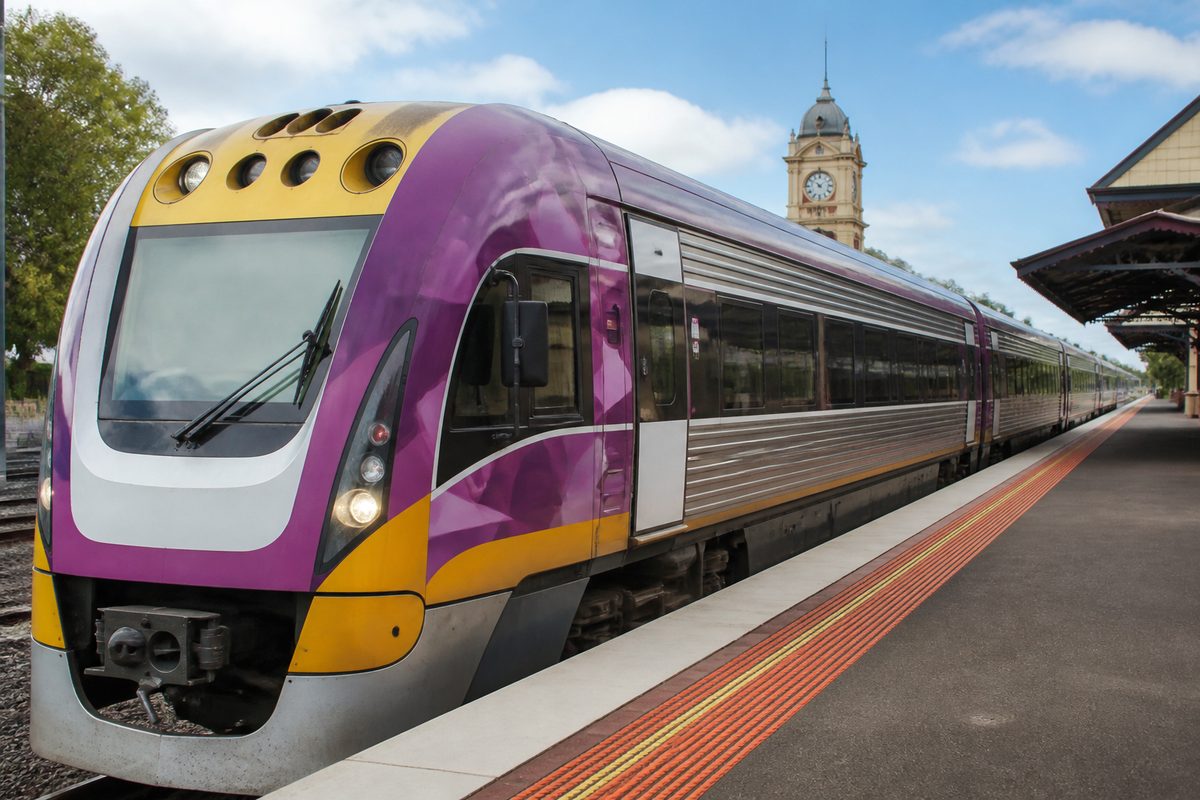
Melbourne to Bendigo: How to Travel by Train or Car
Travel from Melbourne to Bendigo by direct V/Line train in about two hours, or drive via the Calder Highway in roughly 1 hour 50 minutes when traffic is light. The train is often the easier choice for a day trip because it reaches central Bendigo without parking stress. Driving gives you more control over departure times, stops and places you can visit outside the city centre.
Bendigo lies about 150 kilometres northwest of Melbourne in North Central Victoria. The trip is simple in either direction, but the best option changes with your schedule. Peak traffic can add time to the drive. Train engineering works can also lead to replacement coaches, so check live travel details before leaving.
Which option is better for your trip?
Take the train if you want a calm trip, plan to stay near central Bendigo or expect to return to Melbourne on the same day. Drive if you have several passengers, carry bulky items or want to visit stops beyond walking distance from Bendigo station.
The train usually takes close to two hours from central Melbourne. A clear drive can be slightly faster, but that advantage can vanish in traffic around Melbourne and Sunbury. Drivers must also allow time for fuel, a Rest area break and parking after arrival.
In my experience, people often compare only the times shown in a journey planner. Door-to-door time matters more. Someone staying near Southern Cross railway station may find the train much faster overall. A traveller starting in Melbourne's outer northwest may reach the Calder route more easily by car.
- Choose the train for a central hotel, a day trip or a trip where you want to rest on the way.
- Choose the car for an early start, a late return or travel beyond central Bendigo.
- Compare total cost for the whole group, including fuel and parking rather than fuel alone.
- Check disruptions before committing to either option.
What happens if rail works affect the journey?
V/Line may replace part or all of the train journey with coaches during planned track works. A coach trip can take longer because it uses roads and may serve stations away from the rail line. Check service alerts on the evening before travel and again before leaving home.
Replacement coaches may depart from a different point outside the station. They can also have tighter luggage and bicycle limits. If you have a timed tour, meal booking or event in Bendigo, leave a wider margin during works.
Route names can cause confusion when reading rail maps. Bendigo services form part of the regional network that connects with routes farther north. The Deniliquin railway line is a separate rail reference with its own history and operating context. Seeing that name on a broad map does not mean Melbourne passengers need to transfer to it for Bendigo. Follow the listed Bendigo service and current passenger instructions.
What should drivers know about tolls and road conditions?
The core Calder route to Bendigo can be driven without using a toll road, but the route from your home to the Calder corridor may include one. Navigation apps can send drivers through CityLink or another toll section when it saves time. Turn on the avoid-tolls setting if you do not have a suitable pass.
Road conditions can change because of crashes, maintenance, smoke, flooding or severe weather. Check official traffic warnings before a regional drive. Never follow a map into a closed road or through floodwater.
The freeway section may feel easy after city traffic, which can hide fatigue. Keep a steady legal speed and increase the gap in rain. Heavy vehicles need more room, especially on downhill sections and near merging lanes.
How easy is arrival in Bendigo?
Bendigo railway station is close to the central business district. Many central shops, hotels and visitor sites are within a practical walk, though distance and weather may affect what feels comfortable. Local buses, taxis and booked rides can cover the remaining trip.
Train travellers should check the last return service before leaving Melbourne. Missing it may lead to a costly overnight stay or a long wait for another option. Save the departure time and allow enough walking time back to the station.
Drivers gain easier access to places outside the centre, but central parking restrictions still apply. Read each sign because limits can change by street, day and time. If your hotel includes parking, confirm whether access is available before check-in and whether height limits apply.
Do not leave bags, cameras or shopping visible in a parked car. Move valuables before reaching the parking place so you are not rearranging them in public.
Can you visit Castlemaine during the same trip?
Yes. Castlemaine sits on the Melbourne to Bendigo rail and road corridor, making it the simplest extra stop. Train travellers must choose services that stop there and allow enough time before the next Bendigo train. Drivers can leave the Calder route using the signed exit.
A stop works best when Bendigo is an overnight trip. On a same-day return, splitting a few hours between both places often creates more waiting and less useful time. If Bendigo is the main goal, go there first unless a Castlemaine booking fixes your schedule.
Check the final connection before leaving the station area. Regional services are less frequent than inner Melbourne trains, so missing one can remove a large part of the day.
How should you plan the return to Melbourne?
Train travellers should choose a preferred service and identify one earlier backup when possible. Arrive at Bendigo station with enough time to locate the platform. Event crowds can fill trains and slow boarding.
Drivers should avoid starting the return when already tired. A full day of walking can make the evening drive harder than expected. Share the driving with a licensed, insured passenger where possible, or take a proper break before leaving.
Traffic often builds as you approach Melbourne. Keep navigation running for live incident advice, but use a phone mount and voice directions. Set the route before moving.
What mistakes make this trip harder?
The most common train mistake is treating the service like a frequent suburban line. Regional gaps can be longer, especially later in the day. Check the outward and return timetables together.
The most common driving mistake is trusting the fastest estimate without allowing for Melbourne traffic or parking. Add a time buffer if you have a tour, appointment or event.
Another mistake is assuming every train uses the same stops and ticket process. Read the details attached to your selected service. For drivers, do not assume every roadside stopping place has fuel, toilets or food.
Choose the train for a simple central Bendigo visit and choose the car for flexible stops, then check your exact service or road conditions the night before departure.
Travelling from Melbourne to Bendigo can involve a V/Line train that shares part of the Sunbury line, with Myki accepted for the journey, or a drive via a Controlled-access highway with the option to stop in Castlemaine, Victoria.