Kennington Reservoir Walking Guide: Access, Paths and Facilities
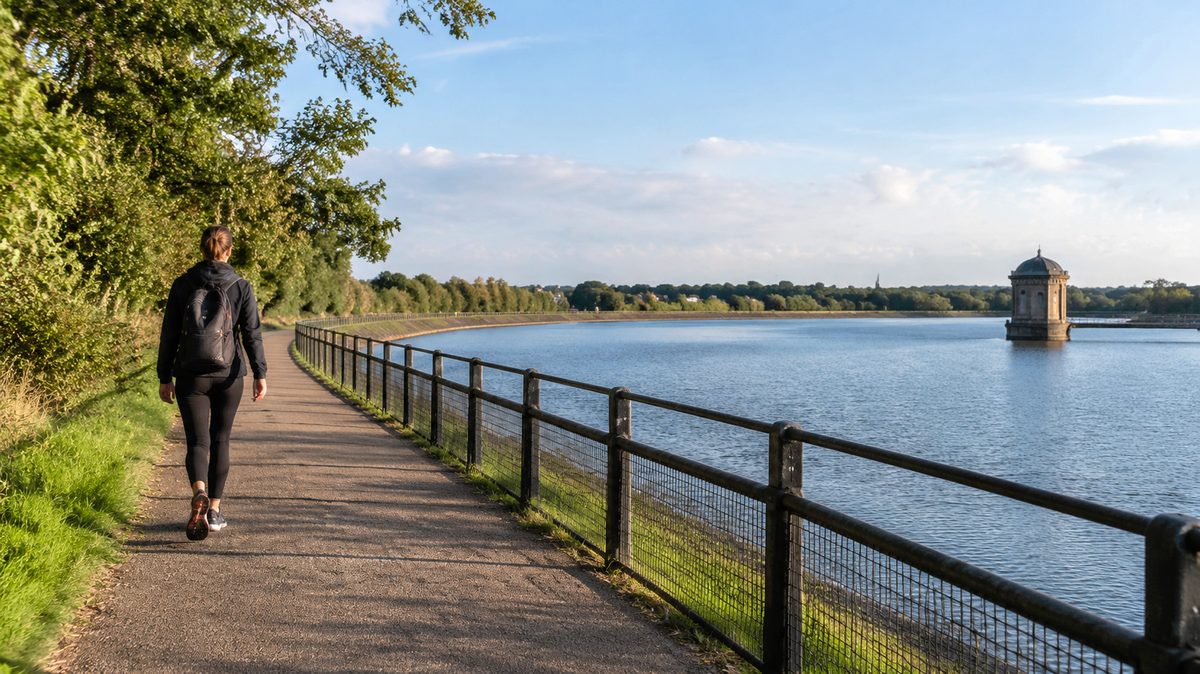
Kennington Reservoir offers a short waterside walk with easy access to parkland, picnic areas and useful public facilities. The reservoir sits within Bendigo’s eastern suburbs beside the larger Strathdale Park recreation area. It suits a quick walk, a family outing or a gentle exercise session without the time needed for a long bush trail.
The main path follows the water closely enough to keep the reservoir in view for much of the walk. Side paths connect it with lawns, sports areas and nearby streets. This makes the site easy to adapt. You can complete a circuit, turn around early or combine the reservoir with a longer walk through the surrounding park.
This guide focuses on how the site works on the ground: where to approach it, what the paths feel like, which facilities are nearby and how to plan for different walking needs.
Where can you enter the reservoir area?
The most practical approach is through the surrounding Strathdale Park precinct, where local roads lead to parking and paths near the water. Crook Street is a useful reference point when planning your trip. Other pedestrian links enter from nearby residential streets, so local walkers do not need to begin from the same place as drivers.
There is no formal entrance experience like the one found at a fenced attraction. The reservoir forms part of an open public reserve. A path may appear to be a minor side route before it joins the main waterside track. Check the reserve map on your phone before setting out if this is your first visit.
Drivers should choose a parking area close to the part of the precinct they plan to use. Parking beside the sports grounds may be convenient when another area is busy, but it can add distance to the walk. Weekend sport and community events can also change which spaces are easiest to find.
Good Wayfinding matters because the reservoir paths connect with a wider network. Keep the water on the same side while completing a circuit. If you take a link toward the playing fields, remember the point where you left the shoreline. This simple method prevents a short walk from turning into an unwanted search for the car.
What are the walking paths like?
The main route is a compact suburban reservoir walk rather than a remote nature trail. It uses formed paths around and near the water, with connections to broader park routes. The surface and width can vary by section. Expect a mix of firm path, shared park access and short transition points near roads or facilities.
Much of the route works as a Shared-use path. Walkers may meet runners, cyclists, children on scooters and people exercising dogs. Keep left where space allows. Move predictably when another user approaches, especially near bends or narrow sections.
The reservoir is small enough for the walk to feel manageable, yet the changing view keeps it from feeling like laps around an oval. Reeds, open water and mature trees break up the route. Nearby sports grounds create more open views on the park side.
A steady circuit should fit comfortably into a short outing for most walkers. The exact distance depends on the links used and the place where you start. Treat online distance figures as a guide because mapping apps may trace different paths around the precinct.
The route has little technical difficulty. You do not need hiking boots in dry weather. Shoes with a secure sole remain the better choice after rain, when loose grit, damp leaves or muddy edges can reduce grip.
How should you choose a route?
Choose the waterside circuit when you want the clearest route and a consistent view. Start from the nearest convenient access point, join the main path and continue around the water without taking outward links. This option is best for first-time visitors.
Choose an out-and-back walk if someone in your group has limited energy. Walk beside the water for a set time, then return by the same path. A ten-minute outward limit gives you control over the total effort and removes pressure to complete a full loop.
For more distance, connect the reservoir path with the wider Strathdale Park network. This adds open parkland and lets regular walkers build a longer exercise route. It also adds junctions, so note a visible landmark before leaving the shoreline.
Families often get a better result by placing the Playground near the middle or end of the outing. Starting there can make it harder to persuade young children to begin walking. Passing it later gives them a clear goal without turning the whole visit into a strict march.
People walking for fitness can use the compact layout for repeated circuits. Change direction between laps if the path is quiet. This spreads the physical load created by repeated turns and gives you a different view of approaching path users.
How accessible is the walk?
Accessibility is strongest on the formed, flatter sections, but a suitable visit depends on the exact entry point and current path condition. A route that feels easy to a confident walker may still contain awkward joins for a wheelchair, mobility scooter or pram.
Before committing to a circuit, inspect the first path connection from the parking area. Look for kerbs, surface gaps, steep cross-slopes and enough room to turn. If the access point is unsuitable, try another established entrance rather than moving along a road edge.
People using mobility aids may prefer an out-and-back route on the firmest section. This keeps the return predictable. It also avoids reaching an uncertain surface after most of the available energy has already been used.
Shade changes through the day and is not continuous around every part of the route. Heat can turn a simple walk into a harder task, especially for older visitors or people who tire quickly. Morning visits give more room to adjust the route before the day warms up.
Shared paths need extra care for visitors with hearing, vision or balance limits. Walk beside the person rather than several steps ahead. At narrow points, pause away from the travel line before discussing which way to go.
Which facilities can support your visit?
The surrounding park precinct is the source of most visitor facilities. Depending on where you enter, you may need to walk away from the immediate shoreline to reach them. Locate the required facility before starting if your group includes young children or anyone with limited mobility.
Public toilets, seating and open grass areas may be available within the broader reserve, but access can be affected by maintenance, events or the route chosen. Do not assume every facility will sit beside the circuit. Council information and signs at the reserve should guide your visit.
A Picnic table gives you a firm place for food, bags or a rest, although the closest table may already be occupied. Bring a rug when the ground is dry so your plans do not depend on finding an empty seat.
The park setting makes a simple Picnic easy to add after the walk. Pack food that can stay sealed until you stop. Open containers carried around the water invite spills and can attract birds. Take all wrappers and food scraps with you if a bin is full.
Play facilities and sports areas make the precinct useful for groups whose members want different forms of Recreation. One adult can supervise play while another completes a circuit, then they can swap. Agree on one meeting place first because the open reserve has several paths and activity zones.
What should families watch near the water?
The reservoir edge is the main safety issue. Children can move quickly from a path toward the water, especially when a bird, ball or dog catches their attention. Keep young children within reach in exposed sections. A pram brake should be set every time the pram stops.
Do not let the calm appearance of the water lower your guard. Reeds can hide the exact edge, and damp ground may be softer than it looks. Stay on formed routes instead of cutting through vegetation for a closer view.
Bikes and scooters also need clear rules. A child who can ride well on an empty path may struggle when passing dogs or oncoming walkers. Slow down before bends. Walk the bike through any crowded area.
Choose a clear family meeting point, such as a particular Picnic table or signed facility. Avoid using a broad instruction like “meet near the reservoir.” A precise place is easier for a child to remember if the group becomes separated.
How can you watch birds without disturbing them?
The mix of open water, reeds and trees supports Water bird activity. Visitors may see birds feeding on the surface, resting near vegetation or moving between the reservoir and nearby parkland. Early morning often brings calmer conditions for watching them.
View birds from the path and give them space. A bird that moves away, calls repeatedly or changes direction is responding to your presence. Stop approaching and allow it to settle.
Do not feed birds. Bread and processed food do not provide a sound diet, while repeated feeding can draw large groups into busy visitor areas. Food left near the shore also lowers water quality and attracts pests.
The reed margins form part of the reservoir’s Habitat. They can look untidy compared with a mown lawn, but they provide shelter and feeding space. Cutting through them for a photo damages the feature that brought the birds there.
Dogs should remain under effective control and follow signs applying to that part of the reserve. A dog does not need to catch a bird to cause harm. Repeated chasing can force birds away from feeding or nesting areas and waste energy they need.
When does the reservoir feel busiest?
Use around the reservoir changes with school hours, organised sport and the weather. Mornings often attract walkers and runners. Afternoons can bring families, students and people using nearby activity areas. Sports fixtures may increase traffic and parking demand even when the waterside path remains comfortable.
If you want a quiet circuit, avoid arriving at the same time as a major game or community event. If you want the easiest parking choice, allow extra time rather than stopping in an unclear area. Never block a gate or service access point because marked spaces are full.
Rain can leave debris, puddles or soft edges even after the main surface begins to dry. Strong wind makes exposed parts less pleasant and can bring small branches down from mature trees. After severe weather, choose open sections and obey any temporary closure signs.
Hot days need a shorter plan. Carry water, use sun protection and turn back before fatigue begins. The reservoir’s suburban setting can make the outing seem low risk, but exposed paths still become uncomfortable in summer heat.
What should you bring for this walk?
Bring only what supports the visit. A small water bottle and secure shoes cover most short walks. Add sun protection in warm weather and a light layer when wind is likely.
For a family visit, a compact checklist helps:
- Water for each person, even when the planned circuit is short.
- A hat and sunscreen when shade will be limited.
- A sealed snack or simple picnic meal.
- A rubbish bag in case nearby bins are full.
- Binoculars if bird watching is part of the visit.
- A phone with the parking location saved.
A large amount of gear can make this easy walk harder than it needs to be. Keep valuables with you rather than leaving them visible in a parked car.
How can you make the visit run smoothly?
Decide the purpose before leaving the car. A walking visit needs a route. A family visit needs a meeting point. A picnic visit needs a suitable stopping area. Mixing every option without a plan often leads to extra backtracking.
At the start, check the nearest sign for temporary works, path rules and dog controls. Save the car’s location on your phone. Then walk the first few minutes at an easy pace while checking whether the surface suits every person in the group.
Keep the route flexible. If the path becomes crowded, take a short pause off the travel line. If a child becomes tired, use an outward link toward the facilities instead of forcing completion of the circuit. A shorter calm outing is more useful than a longer walk that leaves the group frustrated.
Kennington Reservoir works best as an easy local walk tied to the wider Bendigo park network. Its value comes from choice: a quick waterside loop, a gentler out-and-back route or a longer link through Strathdale Park.
Before you start, save your parking point, check the nearest reserve sign and choose either a full circuit or a timed out-and-back walk.